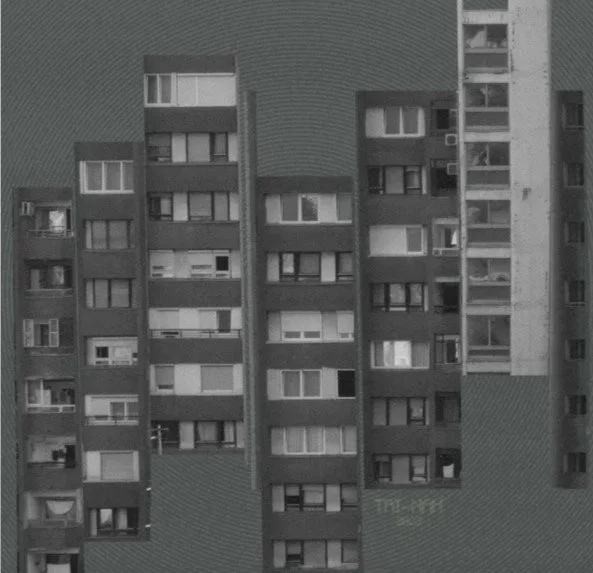

Trina Hashani

I investigate the land bears visible scars of political and economic decisions from abandoned villages to areas impacted by industrial activity and destructive practice. The power plant of Kosovo A & B, for example, has long affected nearby homes and environments through pollution and contamination, shaping how communities live and breathe. For many families, including my own, these ecological conditions are not abstract but felt daily in air, soil, and water. Growing up in the diaspora, I carry memories of these physical landscapes and stories passed down through generations, experiences that root my sense of ecology in embodied,in reflecting in my idea of exploring neglected environments and the oral histories of communities affected by environmental destruction.

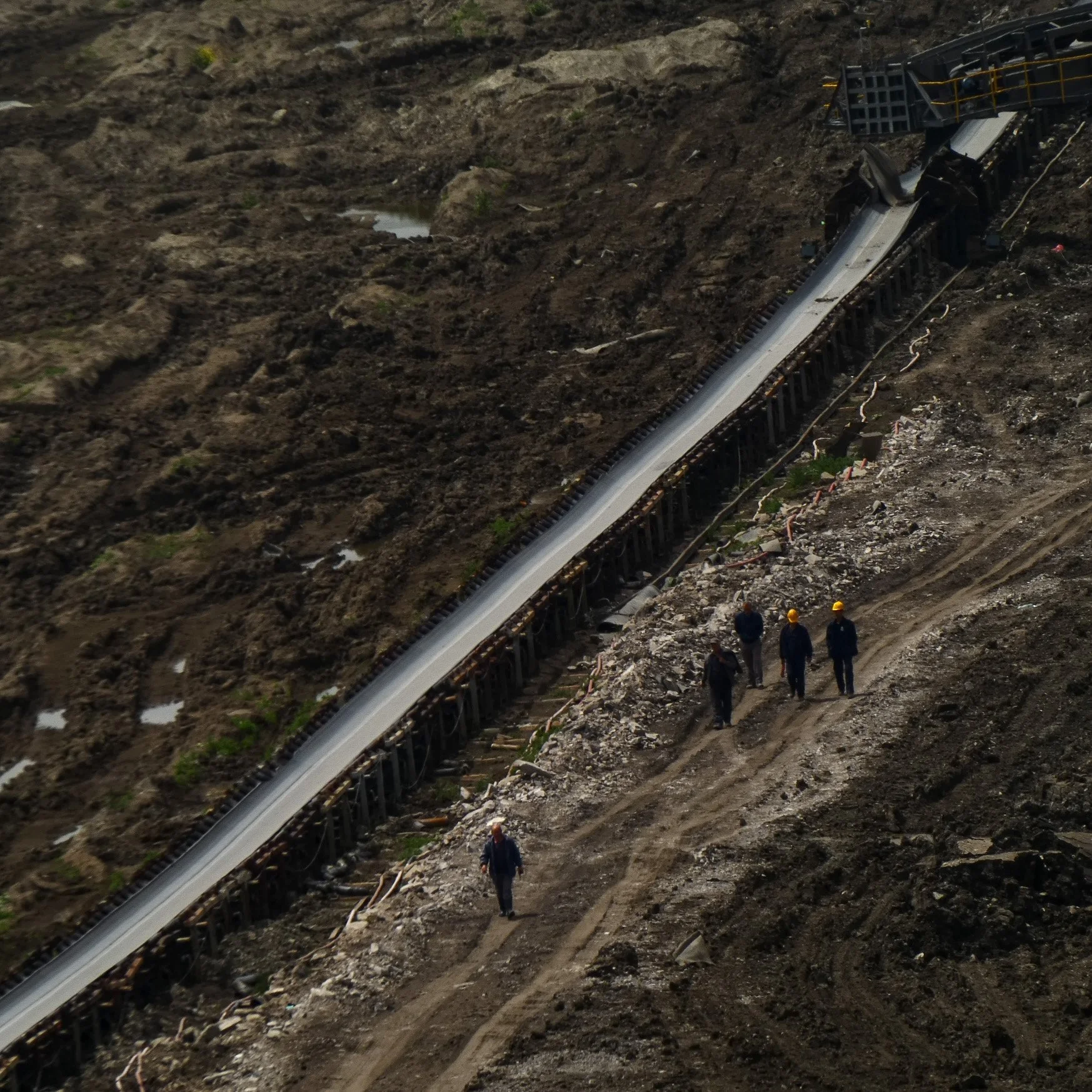
My work includes the life of more-than-human , plants reclaiming abandoned walls, moss growing on bricks, insects inhabiting forgotten spaces, and the slow process of natural regeneration that occurs when human control recedes. These living processes, influenced by non-living actants such as wind, soil chemistry, and industrial remnants, form an ecological chorus that speaks of resilience and entanglement.
Exploring memory, identity, and place, acknowledging that landscapes are not empty backgrounds but dynamic systems shaped by history, labour, and life beyond human intention. Ecology, then, is a multi-layered experience: environmental, social, political, and emotional framework for understanding how we belong to the world and how the world belongs to us
